
With the arrival of summer comes a new seasonal fruit. But there is no fruit that quenches thirst better on hot summer days than watermelon. Although we call watermelon a "fruit", it is actually a vegetable - like pumpkin and squash. Watermelon is an excellent source of vitamin C, vitamin A, potassium and magnesium, contains a lot of water, and has only 30 kcal per 100 g.
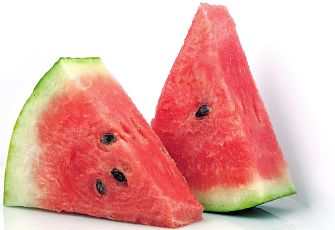 With the arrival of summer comes new seasonal fruits. But there is no fruit that quenches thirst better on hot summer days than watermelon.
Although we call watermelon a "fruit," it is actually a vegetable - like pumpkin and squash.
Watermelons can be oblong or round in shape. They have a thick, green rind that can be spotted or striped.
You can find this fruit in supermarkets all year round, but it is best to eat it in the summer months because that is when it contains the most nutrients.
Watermelon is an excellent source of vitamin C, vitamin A, potassium and magnesium, contains a lot of water, and has only 30 kcal per 100 g.
Medicinal properties of watermelon
Watermelon is not only a delicious, but also a healthy fruit.
Watermelon contains active substances that alleviate inflammatory conditions, as well as antioxidants that protect us from free radicals.
It is an excellent diuretic because it stimulates kidney function. It increases urine production, which helps eliminate toxins from the body.
For people with low libido, watermelon is the perfect fruit. Namely, watermelon contains the phytochemical citrulline, which has the property of relaxing blood vessels, thus affecting libido. In 120 grams of watermelon there are as many as 150 milligrams of citrulline.
Also, watermelon is a rich source of nutrients important for heart health such as vitamins A, C and B6.
It contains potassium and magnesium, two minerals known to help regulate blood pressure.
Watermelon is an excellent source of vitamin B1 – a vitamin that participates in energy production.
Watermelon seeds are not harmful - quite the opposite. They are a rich source of magnesium, phosphorus, potassium and other minerals. In Asian medicine, watermelon seeds are used to cleanse the kidneys and for other medicinal purposes.
Cleansing the body with watermelon
If you want to take advantage of watermelon season and cleanse your body at the same time, do a one-day watermelon cleanse.
Drink a glass of probiotic yogurt in the morning and evening, and eat only watermelon the rest of the day.
There is no set amount of watermelon you can eat - it's up to you. If you want, you can eat up to 5 kilograms of watermelon in a day.
Even though watermelon contains 92% water, you still need to drink water during the cleanse.
The next day, start with fruit, and a few hours after that you can eat cooked vegetables or a light soup.
A watermelon cleanse is healthy and not hard on the body. You can do this cleanse twice a month during the summer.
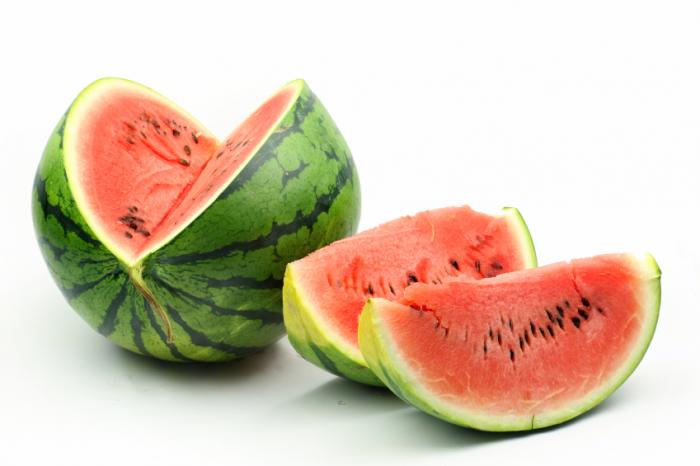
Watermelon seed tea
Edgar Cayce specifically recommends watermelon seed tea for people with kidney stones. This tea also stimulates kidney function.
To prepare the tea, you need a tablespoon of watermelon seeds, which you should grind or chop beforehand.
Pour half a liter of boiling water over the seeds and let the tea cool. Then strain and drink the tea immediately. If possible, always prepare fresh tea.
Drink the tea three times a week, and you can drink it multiple times a day.
Watermelon for a slim figure
Like all fruits, watermelon helps with weight loss and maintaining a desired body weight.
Watermelon contains few calories - only 30 kcal per 100 grams. Due to its high water content, it reduces appetite and has a refreshing effect.
However, watermelon has a high glycemic index. If you suffer from diabetes, eat watermelon with other fruits with a low glycemic index.
Interesting facts
- The Oklahoma Senate declared watermelon the official state fruit on April 17, 2007, amid some doubts about whether watermelon is even a fruit.
- In China, watermelon seeds are fried and served as snacks.
- Every part of a watermelon is edible, even its rind.
- Despite popular belief, you don't need to keep watermelon in the refrigerator to preserve its flavor, color, and aroma.
- However, if you have already cut the watermelon, it is best to put it in the refrigerator and eat it as soon as possible.
HEALING PROPERTIES OF WATERMELON RIND
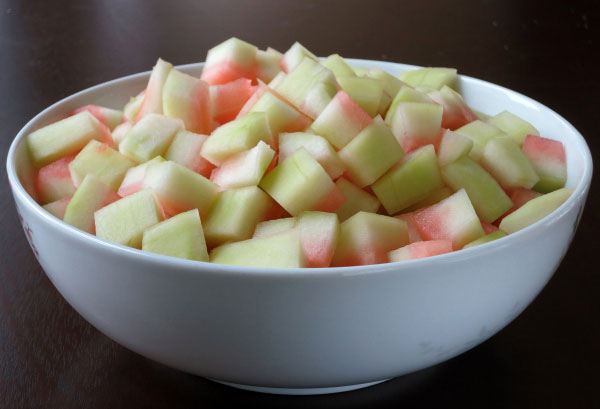
The rind of a watermelon is made up of the outer skin and the hard greenish-white rim. This part of the watermelon is almost always thrown away, without us even realizing how beneficial it is.
Watermelon rind is completely edible (if organically grown) and has a diuretic effect, helping to lower blood pressure and helping the kidneys to function properly.
Numerous studies have confirmed that watermelon rind is an excellent source of vitamins C, B6 and A, as well as magnesium, zinc and potassium. The red center is rich in lycopene, a powerful antioxidant that prevents many diseases.
Interestingly, 95% of the substances that bring health benefits are found in the peel.
1. Helps with pregnancy
The amino acid citrulline, found in the fruit, triggers biochemical processes in the bloodstream that help your blood vessels relax. For pregnant women in the third trimester, watermelon rind will help reduce or completely eliminate the occurrence of cramps.
2. Prevents arthritis and rheumatism
Watermelon peel is rich in beta-carotene and vitamin C. They effectively suppress inflammatory processes that can cause arthritis or bone pain and other forms of rheumatism.
3. Prevents heart attack and other serious diseases
By combining folic acid and other vitamins, watermelon rind plays an important role in reducing the risk of heart attack, stroke and colon cancer.
4. Regulates blood pressure
Potassium and magnesium, along with the various acids that this fruit contains, work together to help maintain healthy blood vessels and good blood flow. Watermelon also maintains the best electrolyte balance in the blood and reduces the acidity of the body, which are important elements for stable blood pressure.
5. Prevents inflammation
Lycopene from watermelon is a powerful antioxidant. Like other antioxidants, lycopene is very effective in fighting free radicals, which are the main cause of inflammation.
6. Boosts libido
Watermelon is said to be "natural Viagra". Thanks to the amino acid citrulline, which is found in the rind, watermelon strongly enhances libido. Studies have shown that watermelon helps men with a milder form of erectile dysfunction.
7. Protects eye health
With the help of vitamins A and C, as well as beta carotene and other nutrients, this fruit maintains the health of your eyes and good vision.
Retrieved from http://alternativa-za-vas.com/